
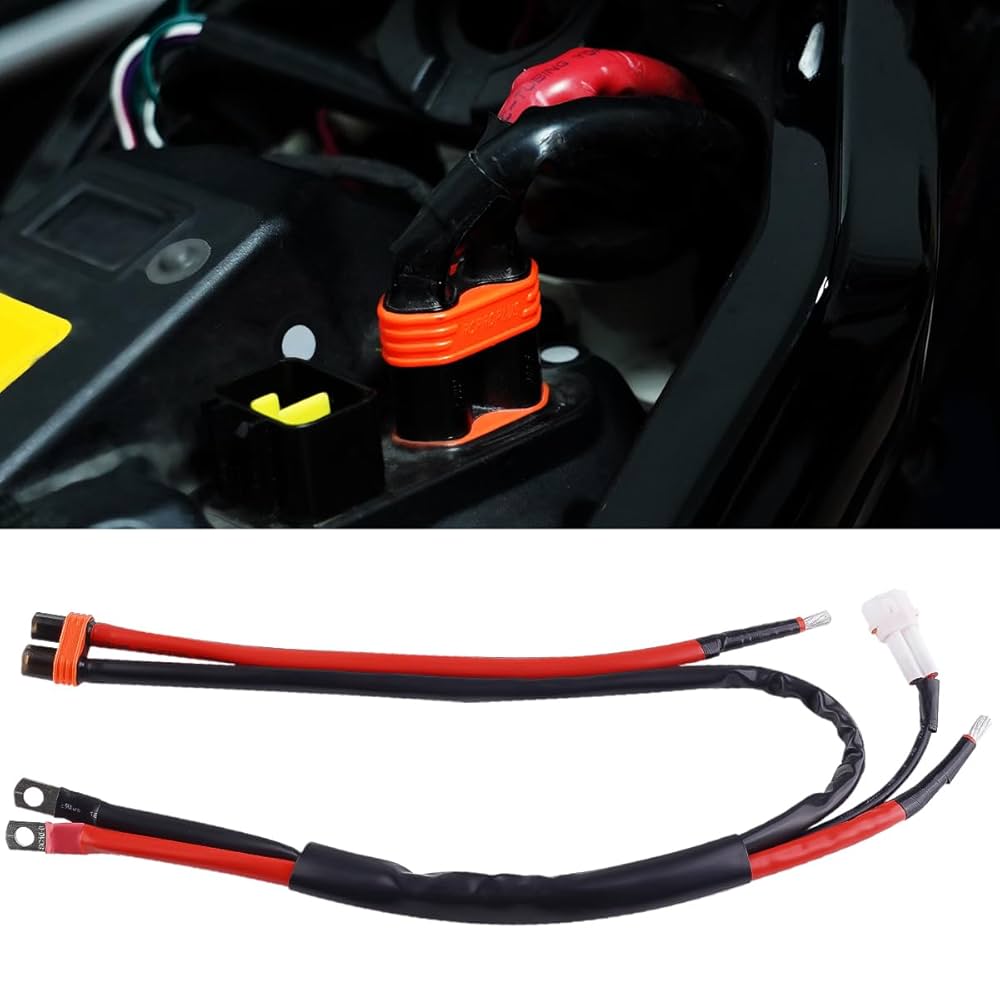
Sur-Ron Light Bee Battery Power Cable For Sale Online In Europe
Sur-Ron Light Bee Battery Power Cable For Sale Online In Europe. A pivotal but often overlooked component in this system is the battery power cable. Though it may appear as a simple wire, the battery power cable is a critical link in the electric powertrain of the bike. It directly connects the battery pack to the controller, enabling the flow of electrical current necessary for propulsion.
Understanding this component in detail helps riders, tinkerers, and enthusiasts optimize their performance, ensure safety, and extend the longevity of the bike. This article explores the Sur-Ron Light Bee battery power cable comprehensively—from technical specifications and materials to performance implications and upgrade potential.
3. Technical Specifications
3.1 Stock Configuration
Sur-Ron Light Bee Battery Power Cable For Sale Online In Europe comes with a 60V battery system (nominal), and the battery power cable specifications generally include:
-
Voltage rating: 60V nominal / 67.2V peak
-
Amperage rating: 30–60A continuous, up to 100A peak
-
Wire gauge: 8 AWG copper cable (in most standard setups)
-
Cable type: High-temperature silicone-sheathed, multi-strand copper
-
Connector: XT90 or QS8 anti-spark connector in later models
3.2 Performance/Aftermarket Setups
For modified or “kitted out” 72V Sur-Rons, upgraded cables may include:
-
Voltage rating: 72V nominal / 84V peak
-
Amperage rating: 100A continuous, 200A+ peak
-
Wire gauge: 6 AWG or 4 AWG for higher amperage
-
Connector: QS8, AS150, or custom bullet connectors
-
Insulation: Ultra-flexible silicone rated to 200°C
-
Length: Typically 1 to 1.5 meters depending on routing
4. Construction and Materials
4.1 Conductor Core
Most battery power cables are made of high-purity copper strands. Copper is chosen for its:
-
Low electrical resistance
-
High thermal conductivity
-
Mechanical flexibility
-
Corrosion resistance
4.2 Stranding
Instead of a solid core, the Sur-Ron’s cable uses multi-stranded copper, which improves flexibility and allows the cable to bend and flex without damage—crucial for off-road environments.
4.3 Insulation
The outer insulation is usually silicone rubber, offering:
-
High heat resistance (150°C to 200°C)
-
Excellent flexibility in cold and heat
-
Resistance to abrasions, oils, and chemicals
-
Flame retardant properties
5. Electrical and Thermal Performance
5.1 Resistance and Voltage Drop
Resistance in the cable is the primary source of energy loss. A low-resistance, high-quality cable is vital because:
-
High resistance leads to voltage drop, which means less power reaches the motor.
-
Excessive heat from poor cables can damage insulation and other components.
-
Inefficient cables reduce range and throttle response.
5.2 Heat Buildup
As current flows through the cable, it naturally heats up due to resistance. With high-performance riding, such as enduro or stunt use, amperage spikes cause cables to heat rapidly. Hence, the cable must:
-
Disperse heat efficiently
-
Be adequately thick (lower gauge)
-
Have proper connectors that don’t bottleneck the current
6. Connectors: Types and Importance
6.1 XT60 / XT90
-
Common in stock and entry-level mods.
-
XT90 is rated up to 90A and includes anti-spark features.
-
XT60 is only suited for lower currents (60A max).
6.2 QS8 (Preferred for 72V builds)
-
Higher current capacity (up to 200A)
-
Anti-spark built-in
-
Excellent thermal stability
6.3 AS150
-
Rated up to 150A
-
Anti-spark
-
Often used in custom builds
Proper crimping, soldering, and housing are essential for safety and performance. Loose or poorly connected terminals can cause arcing, meltdowns, and even fire hazards.
7. Importance in Performance and Reliability
7.1 Bottleneck Effect
Even if you upgrade the battery and controller, keeping stock cables can cause a bottleneck. Current chokes, power delivery lags, and controller overheating may occur if the cable can’t handle the load.
7.2 High-Performance Applications
-
In race builds or stunt setups, riders often run 100A–200A current peaks.
-
A low-gauge (thicker) cable ensures peak power delivery without damage.
-
Silicone jackets maintain flexibility, even in cold mountain rides or hot summer tracks.
8. Aftermarket and DIY Options
8.1 Brands & Vendors
-
Grin Technologies (premium e-bike cables)
-
ChiBatterySystems
-
Luna Cycle (Sur-Ron accessories)
-
Amazon/Ebay (caution: quality varies)
8.2 DIY Cable Building
Riders with electrical experience often build their own cables for specific needs:
-
Cut-to-length 6 AWG copper wire
-
Use of QS8 connectors and soldering
-
Heat shrink tubing for finish and protection
-
Ferrules or crimp lugs for secure terminal fit
Note: DIY cables must be tested for continuity, resistance, and thermal performance before live use.
9. Common Problems and Failures
9.1 Cable Fraying
Caused by constant movement and vibration. Leads to arcing and short-circuit risks.
9.2 Melted Connectors
Typically due to:
-
Underrated connectors
-
Poor contact
-
Excessive amperage draw
9.3 Corrosion
Water ingress in connectors can lead to oxidized contacts, voltage drop, and poor performance.
10. Installation and Maintenance Tips
10.1 Routing
-
Keep cables away from moving parts (suspension, tires).
-
Use rubber grommets where passing through metal.
-
Avoid sharp bends that stress the copper strands.
10.2 Fastening
Use:
-
Cable ties with rubber backing
-
Velcro straps for adjustable installations
-
Protective sleeving to shield from dirt and rocks
10.3 Maintenance Routine
-
Visual inspection every few rides
-
Connector check for tightness and heat discoloration
-
Multimeter test for resistance and continuity
11. Safety Considerations
-
Never short-circuit the battery through exposed cables.
-
Always use fused circuits where possible.
-
Replace cables with signs of overheating or cracking.
-
Install anti-spark connectors to prevent jolts during plug-in.
12. Real-World Examples
Case Study: 72V 45Ah Beast Build
A Sur-Ron user installed a 72V 45Ah battery, 12kW controller, and upgraded to a 6 AWG QS8 power cable.
Before Upgrade:
-
Motor would stutter at full throttle
-
Connectors warm after 10 minutes of hard riding
After Upgrade:
-
Smooth throttle response
-
No overheating at 120A bursts
-
Improved range due to lower resistance loss
13. The Future: Smart Power Cables
Emerging technologies include:
-
Temperature-sensing cables
-
Current-monitoring connectors
-
Smart BMS integration via CAN-Bus
These features will help detect and prevent issues before they damage components—a step toward smarter and safer EV motorcycles.
14. Conclusion
Sur-Ron Light Bee Battery Power Cable For Sale Online In Europe is much more than a simple wire—it’s a core element in delivering performance, safety, and reliability. Whether you ride a stock model or a fully-modded 72V beast, understanding, upgrading, and maintaining your power cable is essential.
For DIY builders, racers, and everyday riders alike, investing in high-quality, properly-sized, and professionally-connected cables will ensure your bike performs at its peak without compromise. Never underestimate the cable—it’s the electric lifeline of your ride.
Reviews
There are no reviews yet.