
1. Purpose of Battery Positioning Support and Base
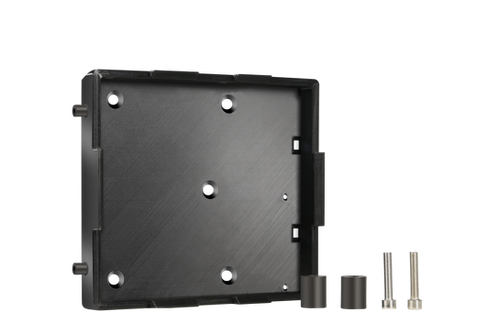
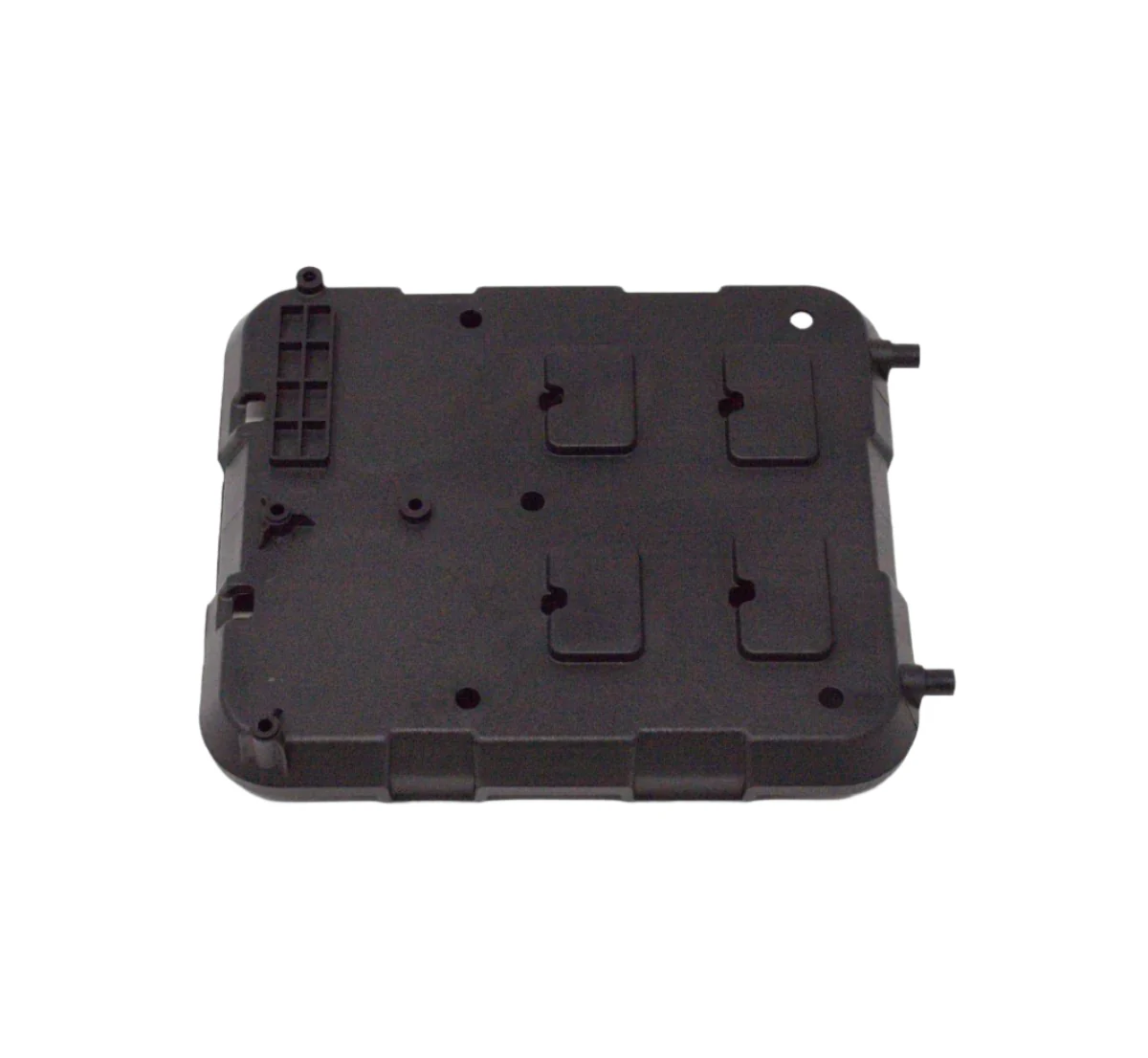
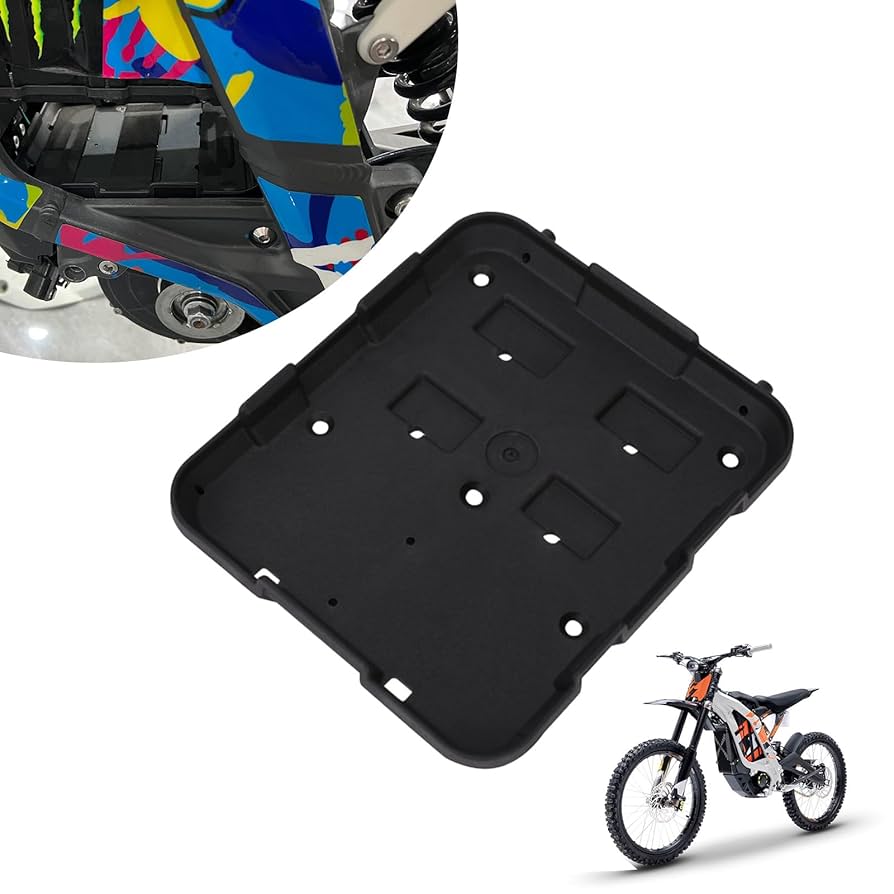
1.1. Structural Support
The main function of the battery base and support frame is to:
-
Hold the battery securely within the frame of the Light Bee.
-
Prevent vibrations and shocks from damaging the battery during off-road use.
-
Maintain consistent electrical contact between the battery terminals and the controller.
1.2. Safety Assurance
A well-designed support:
-
Ensures the battery does not shift during riding, which can cause disconnections or shorts.
-
Protects the battery casing from impacts and high-frequency vibrations.
1.3. Load Distribution
It evenly distributes the weight of the 10–13 kg battery pack across the bike’s central frame, maintaining proper weight balance for agility and control. Buy Surron Light Bee Battery Positioning Support In Europe.
2. OEM Design of the Sur-Ron Light Bee Battery Base and Support
2.1. Materials Used
The factory-fitted base and support tray for the Sur-Ron Light Bee battery are constructed primarily from aircraft-grade aluminum alloy, chosen for:
-
High strength-to-weight ratio
-
Corrosion resistance
-
Structural stiffness under off-road conditions
The frame-integrated tray is reinforced with ribbed channels and gussets that prevent flexing under heavy loads or jumps. Buy Surron Light Bee Battery Positioning Support In Europe
2.2. Mounting Points
The base is integrated into the main spine of the chassis, typically bolted or welded to form a permanent enclosure. It includes:
-
Guide rails or lips to keep the battery centered during insertion
-
Rubber padding or foam inserts to reduce vibration and protect the battery housing
-
Latch locks and quick-release clamps on the upper end for easy battery removal
2.3. Battery Compartment Dimensions
OEM Light Bee battery bays are sized for the stock 60V 32Ah or 38Ah lithium-ion battery pack:
-
Width: ~150 mm
-
Height: ~180 mm
-
Length: ~330 mm
The compartment tolerances are tight, with 2–4 mm spacing on each side, allowing for snug fitment.
3. Mechanical and Design Considerations
3.1. Vibration Damping
The support base includes built-in rubber grommets or foam strips to isolate the battery from mechanical vibrations caused by the motor or terrain. Without this, vibrations can:
-
Loosen connectors
-
Cause microfractures in battery cells
-
Reduce overall battery lifespan
3.2. Heat Dissipation
Although lithium batteries do not generate massive heat during normal operation, under heavy loads (e.g., during hill climbs or high-speed runs), thermal buildup occurs.
The base is open-air on the underside, allowing natural airflow, and made from heat-conductive aluminum to allow some passive cooling. More advanced aftermarket bases include heat sinks or ventilation slots. Buy Surron Light Bee Battery Positioning Support In Europe
3.3. Weight Centralization
The battery is positioned centrally within the frame triangle, directly between the rider’s knees. This:
-
Lowers the center of gravity
-
Improves maneuverability
-
Prevents handling imbalances during jumps or turns
4. Electrical Integration
4.1. Connector Access
The battery support base aligns the battery’s discharge port directly with the Anderson-style high-current connectorthat links to the controller. Misalignment can cause:
-
Arc flash damage
-
Loose connections
-
Power loss during riding
Therefore, the base includes a fixed bracket or docking port to ensure that the connector meets its counterpart precisely.
4.2. BMS Sensor Mounting
OEM designs often include mounting provisions for:
-
Temperature sensors
-
Voltage monitoring leads
-
Battery Management System (BMS) signal cables
These are routed through cable channels within the base and tied securely to prevent cable fatigue. Buy Surron Light Bee Battery Positioning Support In Europe
5. Maintenance and Replacement
5.1. Cleaning
Since the battery base is exposed to dust, water, and mud:
-
Regular inspection is necessary
-
Drain holes or notches at the base prevent water pooling
-
Sealing gaskets may be installed aftermarket
5.2. Replacement Options
In case of damage or wear:
-
OEM bases can be ordered directly from Sur-Ron or authorized dealers
-
Installation requires removing the battery and often loosening chassis bolts
-
Torque specs for mounting bolts must be followed to avoid frame warping
6. Aftermarket Upgrades and Modifications
6.1. Larger Battery Support Trays
Many riders upgrade to 72V batteries or custom 60V 50Ah packs. This requires:
-
Enlarged battery trays
-
Modified frames (grinding/cutting often needed)
-
Reinforced bases to support increased weight
Aftermarket kits like EBMX or LiteSpeed offer modular battery cages that:
-
Are height-adjustable
-
Include vibration dampers
-
Offer waterproof seals
6.2. Quick-Swap Battery Bases
For racing or fleet applications, quick-release battery mounts are desirable. These include:
-
Lever-based locking systems
-
Guide rails for fast slide-in/slide-out battery swaps
-
Spring-loaded connectors
Such systems drastically reduce downtime but require:
-
Precise alignment
-
Higher-quality materials
-
Regular inspection for wear
6.3. 3D-Printed Inserts and Shims
To retrofit smaller or irregular-sized batteries, users often:
-
Print custom-fit ABS or PETG inserts
-
Add foam or silicone padding
-
Use Velcro and tension straps
This is a low-cost solution but must ensure:
-
Firm hold under acceleration/deceleration
-
Resistance to heat and vibration
7. Common Issues and Fixes
7.1. Rattling or Battery Movement
Cause: Loose foam padding, worn rubber stops
Fix: Replace with higher-density foam, use rubber wedges or clamps
7.2. Misaligned Electrical Contacts
Cause: Bent base plate, improper battery insertion
Fix: Re-bend or re-shim the support tray, install alignment pins
7.3. Cracked Base Under Load
Cause: Hard landings, oversized batteries, material fatigue
Fix: Reinforce base with carbon fiber sheets or install upgraded aluminum plate
8. Performance Impact
Properly installed battery support:
-
Preserves torque delivery by ensuring no power interruptions
-
Prevents shorts that could damage expensive electronics
-
Extends the life of the battery, connectors, and controller
In contrast, poor battery positioning can lead to:
-
Intermittent power loss
-
Poor traction during off-road jumps
-
Safety hazards like battery ejection or electrical fire
9. Compatibility Guide
| Battery Type | Voltage | Aftermarket Support Required? | Base Mod Required? |
|---|---|---|---|
| OEM 60V 32Ah | 60V | No | No |
| OEM 60V 38Ah | 60V | No | Minor foam add-on |
| 72V 38Ah | 72V | Yes (LiteSpeed/EBMX) | Yes (cutting) |
| 60V 50Ah | 60V | Yes | Yes |
| Custom Packs | 60–80V | Yes | Yes |
10. Installation Tips
-
Disconnect power: Always remove main fuse before working around the battery bay.
-
Use torque wrench: Secure all bolts with proper Nm rating to avoid cracking the frame.
-
Label cables: When removing support structures, tag your wires and connectors.
-
Add drain holes: Especially useful in humid or rainy environments to prevent corrosion.
11. Safety Best Practices
-
Do not install or modify battery support while battery is connected to the controller.
-
If installing aftermarket trays, check thermal clearance and airflow paths.
-
Always inspect the underside welds of the support frame for stress cracks after hard off-road use.
-
Use fire-retardant foam or silicone inserts if modifying the base near battery terminals.
12. Future Innovations
Leading Sur-Ron modders and accessory manufacturers are exploring:
-
Modular slide-in battery drawer systems
-
Integrated thermal sensors in the base for real-time battery temp feedback
-
Smart lock battery bays using RFID or Bluetooth unlocking
-
3D printed carbon-reinforced bases for strength and low weight
These next-gen enhancements are likely to become standard in future models of the Light Bee and its successors.
Conclusion
Though often overlooked, the battery positioning support and base of the Sur-Ron Light Bee is a key structural and functional component that determines how safely and effectively the bike operates. Whether you are maintaining the OEM setup or upgrading to a custom high-performance battery, understanding the principles of support design, vibration damping, and secure electrical contact is essential for performance, safety, and longevity.
Riders who venture into mods and upgrades should treat the battery base with the same seriousness as suspension tuning or controller mapping—because at the heart of this electric beast lies a powerful energy source that must be mounted with precision, protected with care, and respected as the core of the ride. Buy Surron Light Bee Battery Positioning Support In Europe
Reviews
There are no reviews yet.