
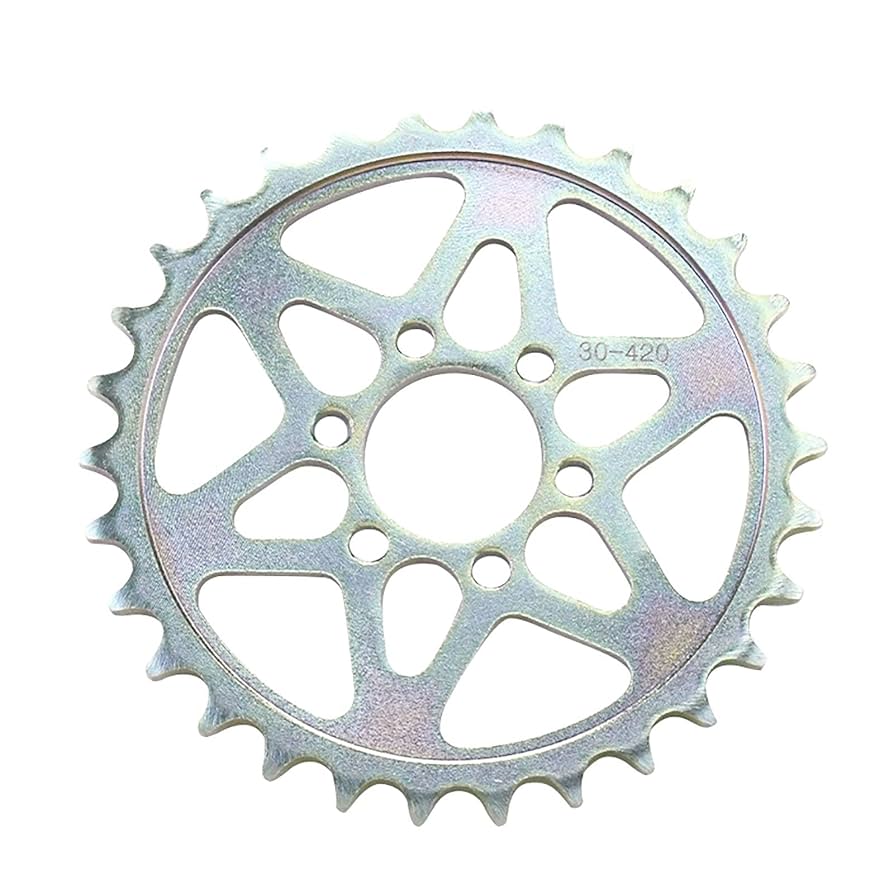
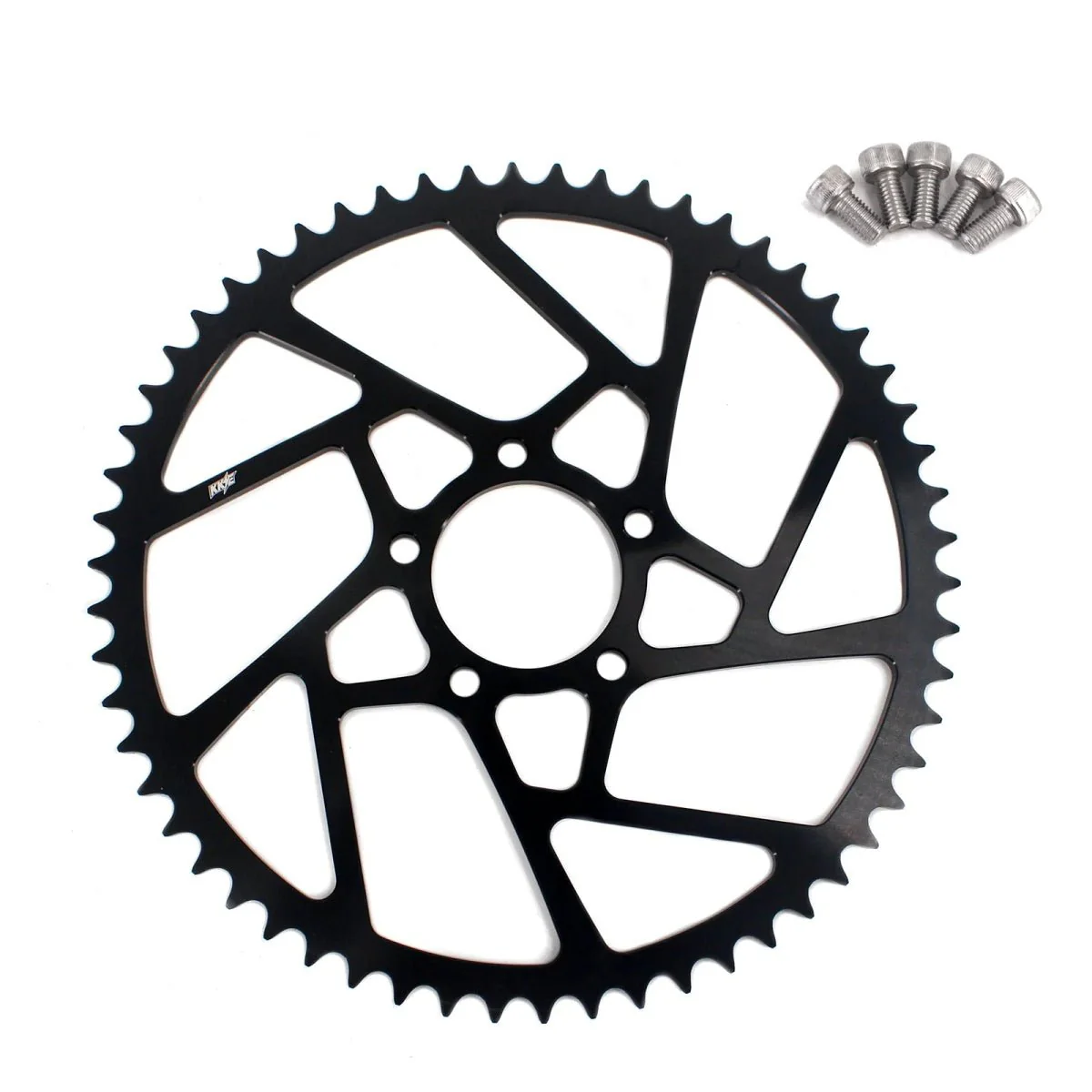
Buy Surron Light Bee 14t Secondary Drive Sprocket Online Europe
Buy Surron Light Bee 14t Secondary Drive Sprocket Online Europe. One of the critical mechanical components that influence the bike’s performance is the secondary drive sprocket—a small yet significant part of the drivetrain.
This guide offers an in-depth exploration of the secondary drive sprocket on the Surron Light Bee. Whether you’re a rider upgrading for more torque, replacing a worn part, or just curious about how your e-moto works, this guide will help you understand everything you need to know.
1. Understanding the Secondary Drive System
The Surron Light Bee’s drivetrain consists of:
-
Primary Drive: From the motor to the jackshaft via a belt drive or chain.
-
Secondary Drive: From the jackshaft to the rear wheel via a chain and sprockets.
The secondary drive sprocket is attached to the output side of the jackshaft and meshes with the rear sprocket via the chain. Its size directly affects torque, top speed, acceleration, and chain wear.
2. Function of the Secondary Drive Sprocket
2.1 Power Transmission
The sprocket transfers rotational force from the motor to the rear wheel. When the motor spins, it turns the primary drive, which turns the jackshaft. The secondary sprocket then pulls the chain that spins the rear wheel sprocket.
2.2 Gear Reduction and Torque
The number of teeth on the sprocket determines how much the torque from the motor is amplified or reduced. Smaller sprockets give more torque (and acceleration), while larger sprockets yield higher top speed but lower torque.
3. Sprocket Sizes and Their Effects
3.1 Stock Configuration
The stock Surron Light Bee typically comes with:
-
Front (secondary) sprocket: 14 teeth
-
Rear sprocket: 48 teeth
This gives a gear ratio of 48 ÷ 14 ≈ 3.43
3.2 Custom Configurations
| Front Sprocket | Rear Sprocket | Gear Ratio | Effect |
|---|---|---|---|
| 14T | 48T | 3.43 | Balanced torque/speed |
| 13T | 48T | 3.69 | More torque, quicker acceleration |
| 15T | 48T | 3.20 | More speed, less low-end torque |
| 14T | 54T | 3.86 | Heavy torque, better for off-road hills |
Changing just the secondary sprocket by 1 or 2 teeth can drastically change the ride feel.
4. Materials Used in Secondary Sprockets
Sprockets come in a range of materials, each with its pros and cons.
4.1 Steel
-
Pros: Long-lasting, affordable, durable under torque
-
Cons: Heavier, may corrode if untreated
4.2 Aluminum
-
Pros: Lightweight, corrosion-resistant, good for racing or light use
-
Cons: Wears out faster under heavy torque
4.3 Hardened Alloy (Chromoly or Titanium blends)
-
Pros: Best of both worlds—strong, durable, and relatively lightweight
-
Cons: Expensive
4.4 Anodized Finishes
Many aftermarket sprockets have anodized coatings (in red, black, gold, etc.) for added corrosion resistance and style.
5. Chain Compatibility
Changing sprocket size means you may need to adjust chain length.
-
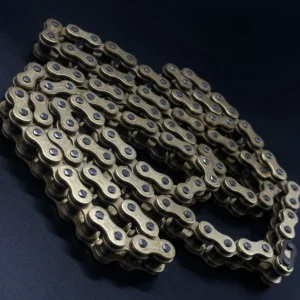
Most Surrons use a 420 pitch chain
-
As you increase the sprocket size, the chain length may need to increase.
-
You should use a chain breaker to add/remove links.
Always verify:
-
Pitch: Must match sprocket and chain (420 pitch = 1/2″ x 5/16″)
-
Width: Must match chain roller width
-
Alignment: Misaligned sprockets cause rapid wear or chain derailment
6. Installation Guide
Tools Needed:
-
Chain breaker tool
-
Allen key or socket set (depending on bike setup)
-
Loctite (threadlocker)
-
Torque wrench
Steps:
-
Turn off the bike and remove the battery for safety.
-
Loosen chain tensioners at the rear axle.
-
Remove chain using chain breaker or by undoing the master link.
-
Unscrew the current secondary sprocket from the jackshaft.
-
Install the new sprocket, applying Loctite to the bolts.
-
Reinstall the chain, adjust length if needed.
-
Tighten chain tension (approx. 1 inch of vertical slack is ideal).
-
Test ride and listen for chain noise or misalignment.
7. Maintenance Tips
To extend the life of your secondary drive sprocket:
-
Keep chain clean and lubricated every 100-200 km (off-road more frequently)
-
Check sprocket teeth for wear: Hooked teeth = time to replace
-
Inspect chain stretch regularly
-
Avoid cross-chaining or poor alignment
-
Use a chain guide/tensioner to avoid skipping teeth
A well-maintained sprocket can last 3,000–5,000 km or more.
8. Aftermarket vs OEM Sprockets
8.1 OEM Sprockets
-
Typically made of steel
-
Durable and reliable
-
Balanced performance
8.2 Aftermarket Options
-
Brands like Warp 9, Vortex, Sur-Ron Shop, GritShift, Talaria Compatible Parts
-
Available in a wide range of sizes and materials
-
Offer color customization (red, black, gold)
-
Some offer lightweight racing versions
-
Can enhance performance but may reduce lifespan if made of softer materials
9. Popular Sprocket Mods and Why Riders Use Them
9.1 Hill Climbing / Technical Trails
-
13T front sprocket or 54T+ rear
-
More low-end torque for climbing
9.2 Urban Street Performance
-
15T front sprocket
-
Higher top speed, less throttle sensitivity
9.3 Stunt Riders / Wheelies
-
13T or 14T with 54–60T rear
-
Maximum torque and throttle control
10. Performance Trade-offs
| Performance Area | Small Sprocket (13T) | Stock (14T) | Large Sprocket (15T) |
|---|---|---|---|
| Acceleration | Excellent | Balanced | Reduced |
| Top Speed | Lower | Moderate | Higher |
| Battery Consumption | Higher | Normal | Lower |
| Chain Wear | Higher | Moderate | Lower |
| Heat Generation | Higher | Normal | Lower |
11. Buying Guide
What to Look For:
-
Material (Steel for durability, Aluminum for weight)
-
Number of teeth (based on your riding style)
-
Compatibility with 420 pitch chain
-
Mounting bolt pattern (standard on most Surron Light Bees)
-
Trusted brands and reviews
Average Cost:
-
Steel Sprockets: $15 – $35
-
Anodized Aluminum: $30 – $60
-
High-performance Chromoly: $60 – $90
12. Common Problems and Solutions
| Problem | Cause | Fix |
|---|---|---|
| Chain skipping | Worn sprocket teeth | Replace sprocket and chain |
| Excessive noise | Chain too tight or misaligned | Re-tension and realign chain |
| Rapid wear | Poor chain maintenance | Clean/lube regularly |
| Sprocket bolts loose | Vibration or poor torque | Use threadlocker and proper torque |
13. Safety and Legal Considerations
While the sprocket itself is legal, modifying gearing can increase speed beyond legal limits in urban areas.
-
Check local laws about e-bike classification
-
Wear appropriate gear—higher speeds mean greater risks
-
Chain guards can reduce injury risk in case of chain derailment
14. Future Trends in Sprocket Technology
-
Carbon-fiber-reinforced sprockets (experimental)
-
Hybrid composite sprockets combining metal and polymer for reduced noise
-
Quick-swap sprocket hubs for competitive riders
-
AI tuning apps that suggest optimal gear ratios based on GPS riding history
Conclusion
Buy Surron Light Bee 14t Secondary Drive Sprocket Online Europe is more than just a gear—it’s a critical piece of hardware that significantly shapes your bike’s behavior. Whether you’re an off-road adventurer, a city commuter, or a stunt enthusiast, optimizing the sprocket size and material can greatly enhance your ride.
Investing time in understanding and upgrading this component can yield significant returns in both performance and durability. With the right combination of gearing, maintenance, and riding style, your Surron Light Bee can be tuned to suit any terrain or challenge.
Reviews
There are no reviews yet.