
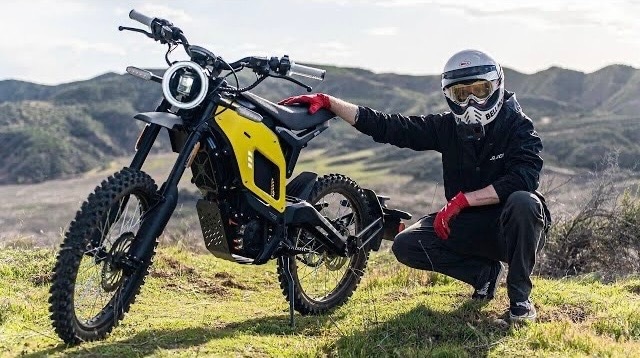
A Sustainable Transportation Shift
Introduction
Where to Buy Cheap Electric Dirt Bikes Online In Germany. In an age marked by rapid urbanization, increasing environmental consciousness, and urgent climate change challenges, Germany has positioned itself at the forefront of Europe’s green mobility revolution. From wind turbines dotting the countryside to efficient public transport systems, the country is reimagining how people and goods move. One of the lesser-discussed but increasingly relevant pieces of this puzzle is the rise of electronic dirt bikes (e-dirt bikes) — lightweight, powerful, zero-emission alternatives to traditional petrol-powered off-road and on-road bikes.
This article explores how electronic dirt bikes can significantly reduce carbon emissions, contribute to Germany’s climate goals, and support the broader sustainable transportation ecosystem.
The Current Transportation Landscape in Germany
Germany, Europe’s largest economy, has made significant strides toward reducing carbon emissions. However, transportation remains one of the biggest contributors to the country’s greenhouse gas emissions. According to the German Federal Environment Agency (UBA), the transport sector was responsible for approximately 20% of total CO₂ emissions in 2023, with passenger vehicles and motorcycles being major culprits. Where to Buy Cheap Electric Dirt Bikes Online In Germany?
While electrification of cars and trains has gained momentum, two-wheelers — especially dirt bikes — have often lagged behind in the clean energy transition. Traditional dirt bikes, mostly used for sports, recreation, rural commuting, and forestry, are powered by internal combustion engines (ICEs) that emit substantial amounts of CO₂, nitrogen oxides (NOx), and particulate matter.
What Are Electronic Dirt Bikes?
Electronic dirt bikes are high-performance motorcycles powered by rechargeable lithium-ion batteries rather than fossil fuels. They retain the core off-road and dual-sport functionality of traditional dirt bikes but eliminate the emissions, noise, and frequent maintenance associated with combustion engines.
Key features include:
- Electric Motor: Produces instant torque, enabling quick acceleration.
- Battery Pack: Usually ranges from 48V to 72V systems, with varying capacities.
- Lightweight Frame: Often made of carbon fiber or aluminum to reduce weight and increase agility.
- Quiet Operation: Significantly quieter than gas bikes, minimizing noise pollution.
- Regenerative Braking: Enhances energy efficiency and extends battery life.
Brands like Sur-Ron, KTM, CAKE, Zero Motorcycles, and Stark Future are pioneering the market, offering models that cater to both beginners and professional riders.
Environmental Benefits of Electronic Dirt Bikes
1. Zero Tailpipe Emissions
The most immediate and quantifiable advantage of e-dirt bikes is the elimination of tailpipe emissions. Unlike ICE bikes, which emit carbon dioxide (CO₂), carbon monoxide (CO), and hydrocarbons (HC), electric bikes release none of these harmful pollutants during operation.
This is particularly significant for Germany, which has committed to reducing greenhouse gas emissions by at least 65% by 2030 (compared to 1990 levels) under the Federal Climate Change Act.
2. Lower Lifecycle Emissions
Even when accounting for the carbon footprint of electricity generation and battery production, e-dirt bikes still boast significantly lower lifecycle emissions. As Germany continues to transition to renewable energy (over 50% of its electricity came from renewables in 2024), the emissions associated with charging these bikes will drop even further.
A recent study from the Fraunhofer Institute found that electric motorcycles emit up to 70% fewer CO₂-equivalent emissions over their lifetime compared to their gasoline counterparts.
3. Reduced Noise Pollution
E-dirt bikes produce a fraction of the noise generated by traditional combustion engines. In Germany’s densely populated rural regions and nature reserves, noise reduction is crucial to preserving wildlife and community wellbeing.
Noise pollution, though often overlooked, is linked to stress, sleep disturbances, and lower biodiversity. Thus, a switch to electric off-road vehicles can have positive secondary environmental impacts.
4. Minimal Resource Consumption During Use
Electronic bikes don’t require oil changes, fuel filters, spark plugs, or frequent air filter replacements. This means fewer lubricants, oils, and non-renewable resources are consumed throughout the vehicle’s lifespan, reducing waste and potential soil/water contamination. Where to Buy Cheap Electric Dirt Bikes Online In Germany?
E-Dirt Bikes in Urban and Rural Germany
Urban Integration
Though traditionally associated with off-road sports, modern e-dirt bikes are increasingly being adapted for dual-sport or street-legal use. In cities like Berlin, Hamburg, and Munich, where last-mile transportation and compact mobility are in demand, these bikes offer:
- Agile commuting options through traffic
- Ease of parking in congested areas
- Lower operational costs for delivery services
- Reduced urban pollution levels
With municipalities embracing Low-Emission Zones (LEZs) and banning certain diesel vehicles, e-dirt bikes are a natural fit for sustainable urban mobility.
Rural and Forestry Applications
Germany’s expansive rural areas and forestry sectors can also benefit. Forestry officials, farmers, and rangers often use dirt bikes to access rugged terrain. Switching to electric alternatives supports eco-friendly land management, reduces soil erosion caused by vibrations, and preserves the quiet of natural habitats. Where to Buy Cheap Electric Dirt Bikes Online In Germany?
Moreover, rural regions with limited fuel stations but increasing solar infrastructure can find off-grid charging stationsa practical solution for powering these bikes sustainably.
Economic and Social Incentives in Germany
The German government and EU institutions are actively promoting e-mobility through a series of subsidies, grants, and regulatory reforms:
1. Federal Incentives and Rebates
While the federal electric vehicle incentive scheme (Umweltbonus) primarily focuses on cars, some states and municipalities offer regional subsidies for electric motorcycles, particularly for business or fleet use.
2. Reduced VAT and Road Tax
Electric motorcycles often benefit from lower VAT, no registration tax, and exemptions from road tax (Kfz-Steuer), making ownership more financially attractive.
3. Charging Infrastructure Development
Germany is investing in public charging infrastructure, including smaller capacity charging stations suitable for electric two-wheelers. New smart grid and solar micro-grid systems in rural areas also support off-road use.
4. Training and Workforce Development
Vocational programs and mechanical schools are beginning to include electric mobility systems in their curricula, enabling the next generation of technicians to support this green shift.
Challenges to Adoption
Despite the promise, the e-dirt bike revolution faces several hurdles:
1. Upfront Costs
The initial price of high-quality e-dirt bikes can be steep — ranging from €4,000 to over €13,000. While operational costs are lower, the price barrier remains for many casual users.
2. Range Anxiety
Battery range (typically 50–120 km off-road) can be a concern, especially in remote or mountainous regions. This makes battery swapping or mobile charging solutions an area of interest.
3. Lack of Awareness and Misconceptions
Many riders are unaware of the performance and environmental benefits of e-dirt bikes, still viewing them as inferior or underpowered. Education and rider testimonials can play a role in changing perceptions.
4. Limited Charging Access in Nature Parks
Many popular off-road trails and forestry routes lack dedicated EV charging points, though solar-powered mobile charging stations may offer a workaround.
Technological Advancements Paving the Way
Recent developments are addressing these challenges:
- Faster Charging: Modern lithium-ion and solid-state batteries can charge to 80% in under an hour.
- Modular Battery Systems: Swappable batteries allow riders to extend range without downtime.
- Smart Apps and IoT Integration: Mobile apps monitor battery status, route optimization, and energy efficiency in real time.
- Recyclable Components: Manufacturers are designing batteries and frames that are more eco-friendly at end-of-life stages.
Cultural Shift Toward Sustainability
In Germany, the concept of Nachhaltigkeit (sustainability) is deeply embedded in public policy, business ethics, and social consciousness. As consumers become more environmentally aware, there’s a visible shift toward “green thrill-seeking” — eco-conscious individuals looking for sustainable alternatives without giving up their love of adrenaline and outdoor adventure.
E-dirt bikes serve this niche perfectly — merging performance, adventure, and responsibility.
The Role of Sports and Media
Electric motocross and enduro races are gaining popularity across Europe. Germany now hosts several electric-only race events, sponsored by sustainability-focused brands. These competitions not only raise awareness but also prove that electric performance can rival and exceed gasoline bikes.
Additionally, YouTube influencers, off-road clubs, and tech bloggers are becoming powerful voices in promoting electric riding culture.
Looking Forward: Policy Recommendations
To further embed electronic dirt bikes into Germany’s sustainability roadmap, policymakers could:
- Expand financial incentives for electric two-wheelers
- Mandate emission-free zones in forests and rural trails
- Subsidize battery recycling and repurposing programs
- Support charging infrastructure specifically for off-road and sport bikes
- Launch national awareness campaigns showcasing the benefits
Conclusion
Germany’s journey toward sustainable transportation is multi-faceted, involving electric cars, trains, bikes, and now — electronic dirt bikes. While still emerging, these bikes represent a concrete opportunity to reduce emissions, promote renewable energy use, and reshape recreational and rural mobility. Where to Buy Cheap Electric Dirt Bikes Online In Germany?
With the right infrastructure, incentives, and education, electronic dirt bikes could shift from a niche product to a central pillar in Germany’s quest for a cleaner, quieter, and more sustainable future.
In the end, every emission-free ride matters — whether it’s on the Autobahn or a dirt trail in the Black Forest.