
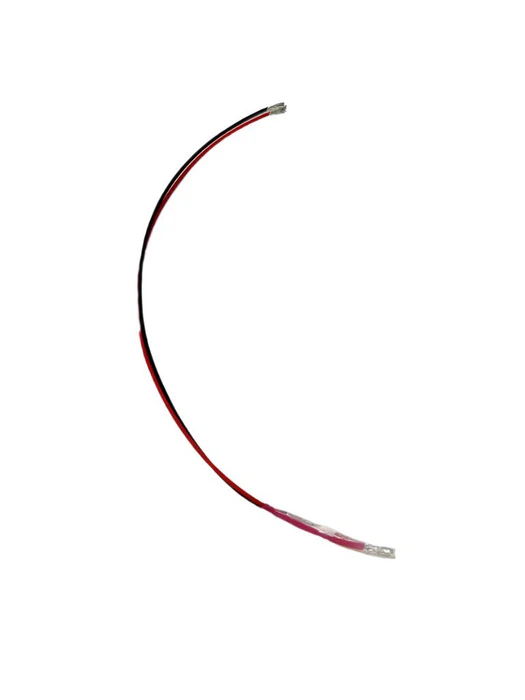
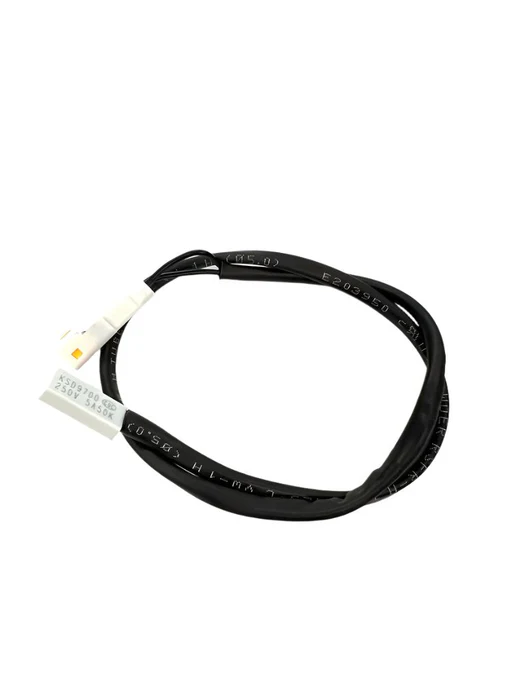
Buy Surron Light Bee Temperature Sensor Online In Europe
Buy Surron Light Bee Temperature Sensor Online In Europe. The Surron Light Bee is a high-performance electric dirt bike known for its versatility, speed, and off-road capabilities. One of the critical components in its electronic system is the temperature sensor. Though it may seem like a minor part, the temperature sensor plays a vital role in the performance, safety, and longevity of the bike’s electric drivetrain — especially the motor and controller.
In this guide, we will take a comprehensive look at the temperature sensor used in the Surron Light Bee, including:
-
What it does
-
How it works
-
Why it’s important
-
Common types used
-
How to troubleshoot and replace it
-
How it interacts with other systems
-
Upgrades and aftermarket options
-
Frequently asked questions
2. What is a Temperature Sensor?
A temperature sensor is an electronic device that detects the temperature of a component (like a motor or controller) and sends that information to the bike’s electronic control system. In the Surron Light Bee, temperature sensors are typically located in the motor and sometimes the battery management system (BMS) or controller. Buy Surron Light Bee Temperature Sensor Online In Europe
The key types of temperature sensors include:
-
Thermistors (NTC or PTC): Resistance changes with temperature.
-
Digital temperature sensors: Provide a digital signal directly to the controller.
-
Thermocouples: Used in high-end or industrial systems.
The Surron usually uses an NTC thermistor embedded in the motor casing.
3. Role of the Temperature Sensor in the Surron Light Bee
3.1 Motor Protection
The Surron Light Bee’s mid-drive electric motor can generate high temperatures under load, especially during steep climbs, hard acceleration, or racing. The temperature sensor monitors this heat and sends real-time data to the controller, which can adjust performance accordingly. Buy Surron Light Bee Temperature Sensor Online In Europe
For example:
-
At 60°C: No limitation
-
At 80–90°C: Slight power reduction
-
At 100°C+: Severe throttling or shutdown to prevent damage
3.2 Controller Communication
The controller (stock or aftermarket like ASI BAC4000 or BAC8000) uses temperature feedback to:
-
Enable thermal throttling
-
Adjust PWM frequency (Pulse Width Modulation)
-
Apply current limiting to preserve component life
Without accurate temperature data, the controller might either overheat the motor or reduce power unnecessarily.
3.3 User Display
Many aftermarket displays (like EggRider or other programmable dashboards) show the motor temperature to the rider. This allows users to actively monitor their ride and make informed decisions to prevent overheating. Buy Surron Light Bee Temperature Sensor Online In Europe
4. Specifications of the Stock Surron Temperature Sensor
Here are the general specs for the stock sensor found in the Surron Light Bee motor:
-
Type: NTC thermistor (Negative Temperature Coefficient)
-
Resistance: 10kΩ at 25°C (most common)
-
Tolerance: ±1% or ±2%
-
Range: -40°C to 150°C (operational)
-
Mounting: Embedded in stator windings or pressed into motor casing
-
Output: Analog voltage (resistance signal interpreted by controller)
Note: These values may vary slightly depending on model year, firmware, and upgrades.
5. Location of the Sensor
5.1 Motor Temperature Sensor
The motor temperature sensor is embedded inside the motor, usually:
-
Near or on the stator windings
-
Mounted on or near copper windings
-
Often sealed with epoxy for thermal conduction and protection
Because it’s built into the motor casing, it’s not user-serviceable without opening the motor housing.
5.2 Controller/BMS Temperature Sensors (If Present)
-
Some advanced controllers like the ASI BAC8000 have their own internal temperature sensors.
-
The Battery Management System (BMS) inside the battery pack may also contain its own temperature monitoring for cell protection.
6. Sensor Integration in Aftermarket Controllers
Upgrading to a BAC8000 or BAC4000 controller requires temperature sensor integration. Here’s how it usually works:
-
The controller expects a specific sensor type (e.g., 10k NTC).
-
Users must wire the sensor signal into the correct input pin.
-
If the sensor isn’t connected properly, the controller may:
-
Assume max temperature
-
Cut power
-
Fail to operate
-
Show errors (e.g., “Temp Sensor Fault”)
-
Advanced controller software (like BACDoor, PhaseRunner, or ASITool) lets you calibrate and monitor the sensor in real time.
7. Common Issues with the Temperature Sensor
7.1 Sensor Failure
Symptoms:
-
Overheating warning even when motor is cool
-
Sudden power cuts
-
Error codes from controller
-
No temperature reading on display
Causes:
-
Broken or degraded thermistor
-
Short or open circuit in wiring
-
Corroded connectors
-
Moisture ingress
7.2 Sensor Misreading
Sometimes, the thermistor may give inaccurate data due to:
-
Poor mounting (not touching motor casing)
-
Thermal paste drying out
-
EMI interference (electromagnetic noise)
-
Firmware bugs in the controller
7.3 Wrong Sensor Type After Upgrades
A mismatch between the controller and the sensor (e.g., 5kΩ sensor with a controller expecting 10kΩ) can cause:
-
Wrong readings
-
Overly aggressive thermal throttling
-
Fault codes
8. Diagnosing a Faulty Temperature Sensor
8.1 Basic Multimeter Test
-
Disconnect the sensor from the controller.
-
Use a multimeter to measure resistance across the sensor wires.
-
Compare the resistance with the known chart for that thermistor.
| Temperature (°C) | 10kΩ NTC Resistance (Ω) |
|---|---|
| 0 | ~32,650 |
| 25 | 10,000 |
| 50 | ~3,500 |
| 75 | ~1,500 |
| 100 | ~750 |
If the reading is way off, the sensor is likely damaged.
8.2 Software Tools
-
With ASITool or EggRider, you can monitor the motor temperature reading live.
-
If the temperature is stuck at 0°C or 999°C, the sensor may be open or shorted.
-
Graphs over time help identify erratic behavior.
9. Replacing or Repairing the Sensor
9.1 Replacing Stock Sensor
This usually involves:
-
Opening the motor casing
-
Removing old epoxy
-
Soldering or crimping new thermistor
-
Resealing with thermal epoxy
Note: This is an advanced repair. If you’re not experienced with electronics or motor repair, consider a professional technician.
9.2 External Sensor Option
Some riders install an external sensor on the motor casing:
-
Pros:
-
Easier access
-
Doesn’t require motor disassembly
-
-
Cons:
-
Less accurate internal temperature
-
Lag in heat response
-
10. Aftermarket and Upgraded Options
10.1 Upgraded Thermistors
-
High-quality thermistors from Vishay, Murata, or EPCOS
-
Better thermal range (e.g., up to 200°C)
-
Tighter tolerance (±0.5%)
10.2 Multiple Sensor Systems
Some advanced builds include:
-
Multiple sensors on stator, rotor, and case
-
Readouts on mobile apps or displays
-
Temperature-based fans or cooling systems
10.3 Liquid Cooling
A few high-performance Surron builds use liquid cooling systems, and these setups often include integrated temperature sensors in the coolant loop. Buy Surron Light Bee Temperature Sensor Online In Europe
11. Importance for Performance Tuning
The motor temperature sensor is essential for tuning performance safely. In custom tuning software, you can:
-
Set temp-based derating curves
-
Enable thermal cutoffs
-
Tune based on your riding style and climate
Riders in hot climates (like Africa or southern US) often configure earlier throttle reduction to prevent heat soak.
12. Tips to Extend Sensor Life and Accuracy
-
Avoid water immersion of the motor.
-
Keep connectors sealed and free of corrosion.
-
Use proper thermal paste if reinstalling.
-
Regularly inspect temperature readings on your dashboard.
-
If installing aftermarket parts, ensure compatibility of sensor specs.
13. Conclusion
Buy Surron Light Bee Temperature Sensor Online In Europe may seem like a small, forgettable component, but it plays an outsized role in ensuring the electric motor’s safety, reliability, and performance. Whether you’re riding trails, racing, or commuting, maintaining this sensor in top condition is vital.
It helps:
-
Prevent damage
-
Optimize power delivery
-
Improve controller behavior
-
Support tuning and upgrades
With the rise of aftermarket controllers and high-powered builds, proper understanding and integration of the temperature sensor is now more important than ever. Whether you’re a DIY tuner or a casual rider, respecting and maintaining this sensor is one of the best ways to protect your investment and ride confidently.

Reviews
There are no reviews yet.