
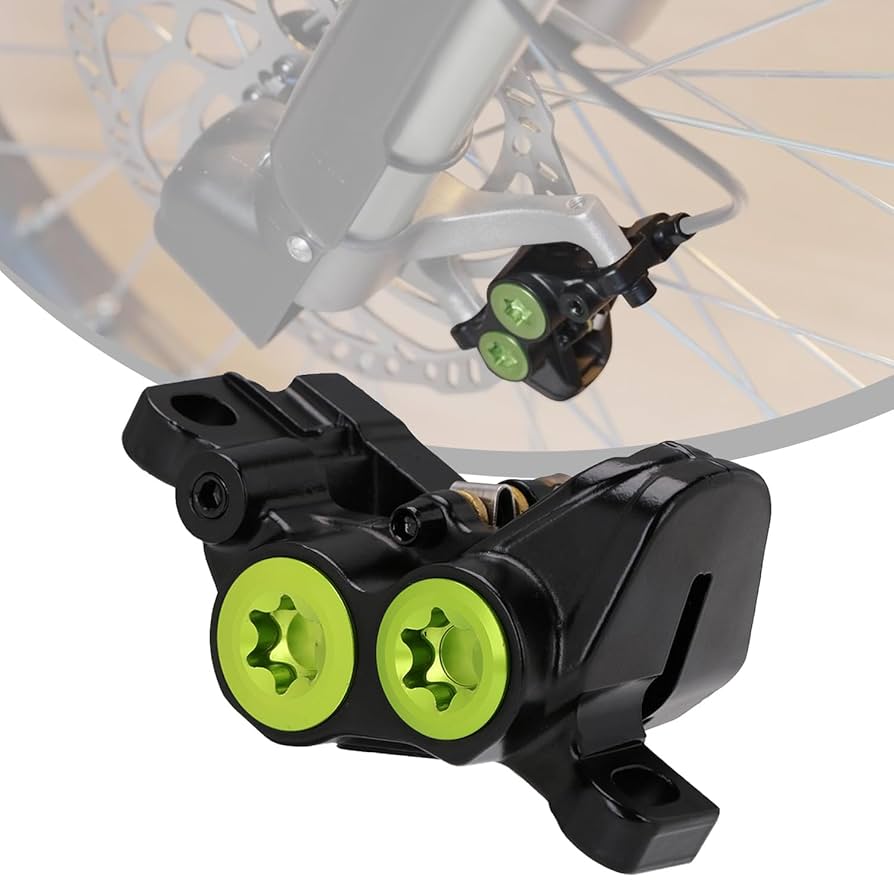
Light Bee Brake Caliper For Sale Online In Europe
Light Bee Brake Caliper For Sale Online In Europe. Often overlooked in favor of battery specs or motor torque, the brake calipers are essential in translating speed and energy into controllable, reliable deceleration.
This detailed article focuses on the Light Bee’s brake caliper — the heart of its braking mechanism — explaining its components, technology, design principles, performance characteristics, and maintenance considerations.
2. Brake Caliper Fundamentals
Before diving into the specific brake caliper used on the Light Bee, it’s important to understand the general role of brake calipers in a disc brake system:
-
A brake caliper houses the brake pistons, which push brake pads against a rotor (disc) to create friction.
-
This friction converts kinetic energy into thermal energy, slowing the bike.
-
Most modern high-performance bikes, including the Light Bee, use hydraulic disc brake calipers.
3. OEM Light Bee Brake Caliper For Sale Online In EuropeOverview
The stock Sur-Ron Light Bee usually comes equipped with 2-piston hydraulic calipers on both the front and rear wheels, manufactured by Tektro (in most regions) or Zoom HB-876 (depending on the variant and production year).
Key Specifications:
| Feature | Specification |
|---|---|
| Type | Hydraulic disc brake caliper |
| Pistons | Dual-piston |
| Material | Aluminum alloy (CNC-machined) |
| Mount Type | Post mount |
| Pad Type | Semi-metallic or sintered pads |
| Fluid | Mineral oil |
| Rotor Compatibility | 203mm (stock), upgradable to 220mm |
| Weight | Approx. 380-420 grams (per caliper) |
4. Construction and Design
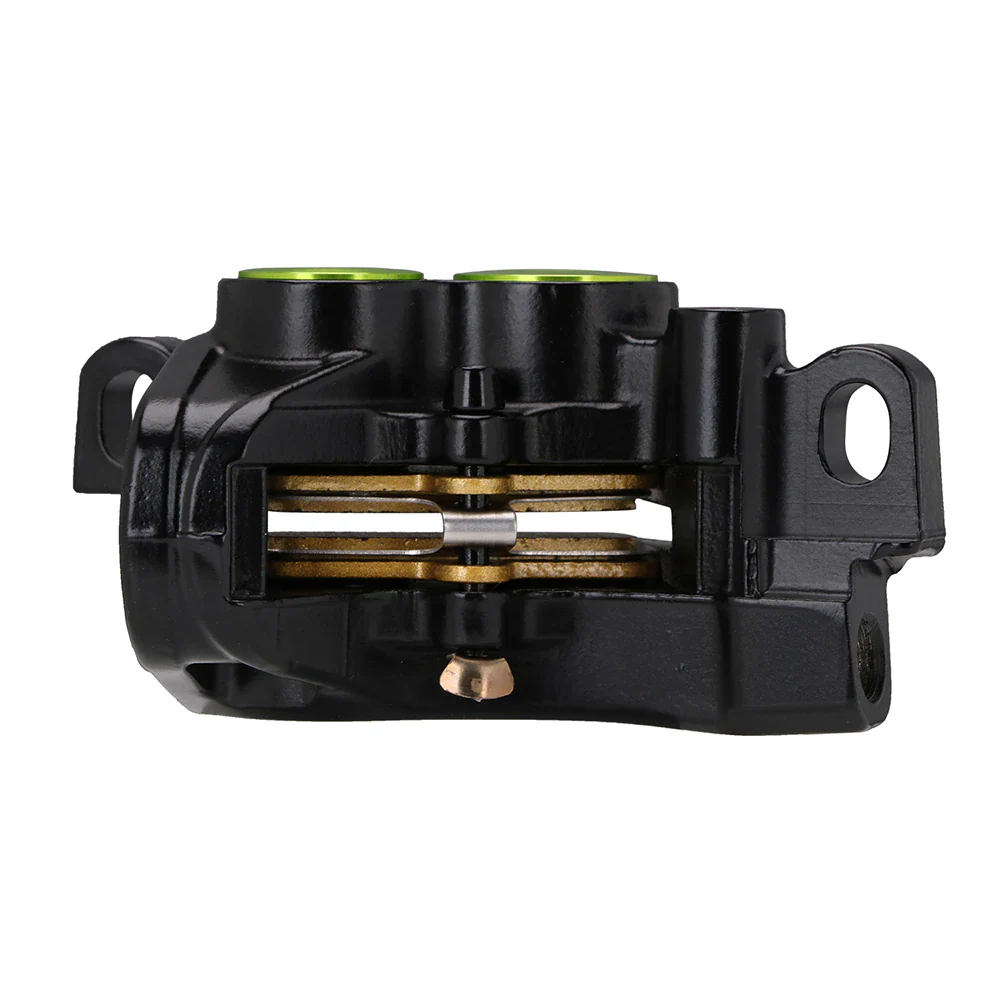
Light Bee Brake Caliper For Sale Online In Europe are made of forged or CNC-machined aluminum, providing a balance of lightweight performance and structural rigidity. The caliper body is anodized for corrosion resistance and heat dissipation.
Key Components:
-
Caliper Body: Rigid aluminum housing ensures consistent braking under stress.
-
Pistons: Usually 2 aluminum or composite pistons for balanced clamping force.
-
Brake Pads: Semi-metallic stock pads with aftermarket support for sintered and ceramic.
-
Bleed Port: Allows mineral oil bleeding for maintenance.
-
Mounting Bolts: High-torque steel bolts secure the caliper to the fork or swingarm.
5. Compatibility
The Light Bee brake calipers are designed to work seamlessly with:
-
Tektro or Zoom Hydraulic Levers
-
Stock 203mm Rotors (can be upgraded to 220mm with adapter)
-
Mineral Oil Brake Fluid
-
Post Mount Brackets
-
Aftermarket pads and rotors
Some riders choose to upgrade to 4-piston calipers from brands like Magura, Hope, or Shimano Saint, which are compatible with minimal modification.
6. Performance Metrics
Stopping Power
With a properly bled system and quality pads, the Light Bee’s stock 2-piston calipers provide adequate stopping power for urban riding and light off-road use.
-
Front Brake: Responsible for ~70% of braking power.
-
Rear Brake: Used for modulation and corner control.
Heat Dissipation
Thanks to the aluminum design and open-air exposure, the caliper dissipates heat efficiently under normal use. However, in aggressive downhill or prolonged braking situations, heat buildup can cause brake fade unless upgraded to larger rotors or better pads.
Modulation and Feel
The stock setup offers decent lever feedback and modulation, though not as refined as high-end 4-piston downhill calipers. Brake feel can improve with premium rotors and sintered pads.
7. Brake Pad Types
The performance of your caliper heavily depends on the brake pads used:
| Pad Type | Pros | Cons |
|---|---|---|
| Resin/Organic | Quiet, good feel | Wears quickly, fades under heat |
| Semi-metallic | Balanced performance | Slight noise, average wear |
| Sintered | Best durability, wet performance | Noisier, more rotor wear |
| Ceramic | High temp resistance | Expensive, less common |
8. Common Issues and Solutions
1. Brake Fade
-
Cause: Overheating from prolonged braking
-
Solution: Upgrade to sintered pads, 220mm rotors
2. Spongy Lever Feel
-
Cause: Air in hydraulic lines
-
Solution: Bleed the system with mineral oil
3. Pad Rub or Drag
-
Cause: Misalignment or warped rotor
-
Solution: Adjust caliper position or true the rotor
4. Squealing Noise
-
Cause: Contaminated pads or rotors
-
Solution: Clean rotors with isopropyl alcohol or replace pads
9. Upgrading the Calipers
While the stock setup is sufficient for most users, many riders who ride aggressively or downhill prefer upgrading the brake calipers.
Popular Upgrades:
-
Magura MT5/MT7 (4-piston, high-performance)
-
Hope Tech 3 E4
-
TRP DH-R EVO
-
Shimano Saint BR-M820
Benefits of Upgrading:
-
Increased stopping power
-
Better modulation
-
More heat resistance
-
Longer pad life
Considerations:
-
Upgrades may require new levers, mounts, or adapters
-
DOT fluid vs. Mineral oil compatibility must be matched
10. Maintenance Guidelines
Proper maintenance of your brake calipers ensures longevity and consistent performance.
Routine Checks (Every 2 Weeks)
-
Pad thickness (replace below 1.5mm)
-
Rotor wear and warp
-
Brake fluid level
Seasonal Maintenance (Every 3-6 Months)
-
Full system bleed
-
Caliper piston cleaning
-
Pad replacement
-
Rotor inspection
Best Practices
-
Avoid touching rotor or pads with bare hands (oil contamination)
-
Store bike upright to prevent air bubbles in brake lines
-
Use only recommended brake fluids (mineral oil for Tektro/Zoom)
11. Real-World Feedback
The Sur-Ron community offers mixed reviews on the stock calipers:
| Rider Profile | Feedback |
|---|---|
| Urban Rider | “Stock brakes are more than enough for stop-and-go traffic.” |
| Trail Enthusiast | “Decent, but you feel them fade on long downhill runs.” |
| Stunt/Trick Rider | “Rear caliper needs better modulation for technical stunts.” |
| Competitive Rider | “Upgraded to Magura MT7 and it’s a game-changer.” |
12. Cost and Availability
OEM Replacement:
-
Front/Rear calipers: $50–$80 USD each
-
Pads: $10–$25 per set
-
Rotor (203mm): $25–$40
Upgrade Kits:
-
High-end calipers: $150–$400
-
Upgrade kits (caliper + lever + rotor): $250–$600
13. Summary: Pros and Cons of Stock Calipers
| Pros | Cons |
|---|---|
| Affordable | Limited heat resistance |
| Lightweight | Only 2 pistons |
| Easy to maintain | Modest modulation |
| Reliable for most use cases | Fade under extreme use |
14. Final Thoughts
Light Bee Brake Caliper For Sale Online In Europe is an understated yet critically important component. While the stock dual-piston calipers provide reliable performance for general riding and even moderate trails, they are not intended for high-speed downhill runs or race conditions. Fortunately, the aftermarket world for the Light Bee is vast, and upgrading your brake calipers can dramatically transform your riding experience — particularly if you demand precision, heat tolerance, and high braking force.
Whether you stick with the OEM setup or venture into 4-piston territory, understanding how your brake caliper works — and maintaining it properly — is essential for both performance and safety.
Reviews
There are no reviews yet.