
1. The Current Carbon Footprint of Transportation in the Netherlands
1.1 Transportation Emissions: An Overview
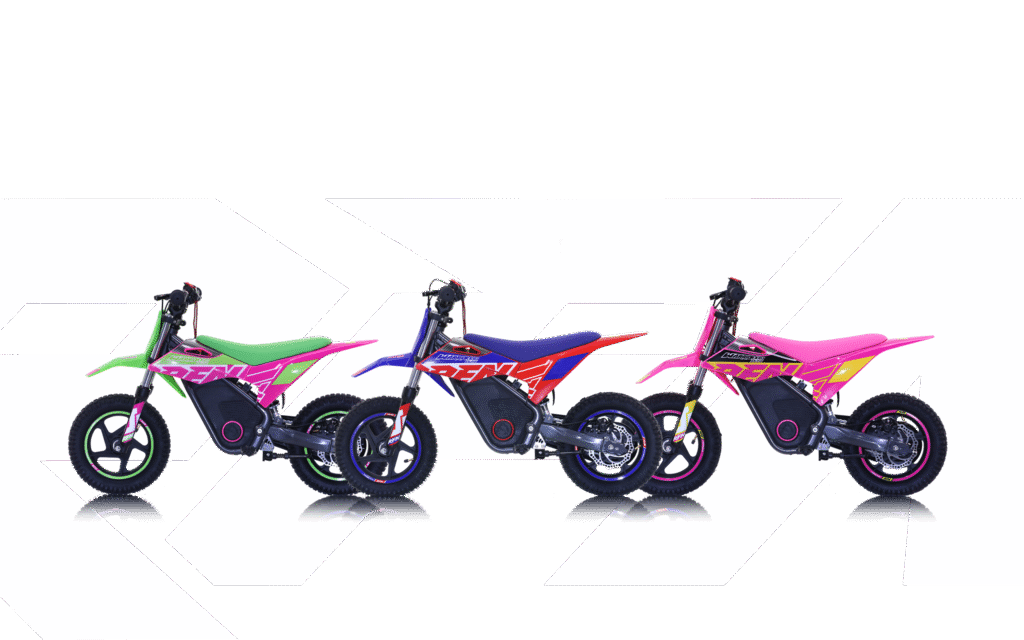
Where to Buy Cheap Electric Dirt Bikes Online In Netherlands. The Netherlands, despite its commitment to sustainability, remains heavily reliant on fossil fuels in its transportation sector. According to the Netherlands Environmental Assessment Agency (PBL), transportation accounted for approximately 18% of the country’s total greenhouse gas emissions in 2022. The majority of these emissions stem from road vehicles, particularly passenger cars.
In urban areas, congestion and pollution from cars are pressing concerns. Despite excellent public transportation, many Dutch citizens still rely on personal cars for commuting, shopping, or leisure trips—particularly in suburban and rural areas. These short trips are where e-bikes have the most potential to reduce carbon emissions.
1.2 The Climate Challenge
The Dutch government has set an ambitious goal to reduce greenhouse gas emissions by 49% by 2030 (compared to 1990 levels), and by 95% by 2050. Achieving this requires bold shifts in every sector, including transportation. The electrification of mobility is seen as a key driver—while electric cars are part of the solution, e-bikes offer a faster and more scalable approach to decarbonizing short-distance travel.
2. How E-Bikes Help Reduce Carbon Footprint
2.1 Zero Tailpipe Emissions
E-bikes, unlike cars or motorcycles, produce zero tailpipe emissions. When powered by renewable electricity—as is increasingly the case in the Netherlands—e-bikes contribute almost no greenhouse gases during operation. For every kilometer cycled on an e-bike instead of driven in a car, an estimated 150-200 grams of CO₂ are saved. Where to Buy Cheap Electric Dirt Bikes Online In Netherlands
This might seem small in isolation, but it becomes significant at scale. Consider this: if just 10% of car trips under 10 km were replaced with e-bike trips nationwide, the reduction in CO₂ emissions would be in the hundreds of thousands of metric tons annually.
2.2 Lower Lifecycle Emissions
Although e-bikes require energy to manufacture, their overall lifecycle emissions are substantially lower than those of cars. A typical electric car generates roughly 17-20 tons of CO₂ over its lifetime, while an e-bike’s lifecycle emissions are under 1 ton. Even when factoring in battery production and electricity use, e-bikes remain one of the greenest motorized transport modes available.
2.3 Replacing Car Trips
Studies show that a significant portion of car trips in the Netherlands are under 7.5 km—a perfect distance for e-bike travel. E-bikes allow users to travel these distances quickly and without breaking a sweat, making them ideal for daily commuting, school runs, grocery shopping, or visiting friends. Replacing even a portion of these short trips with e-bike rides could have an outsized impact on national emissions.
3. The Advantages of E-Bikes Over Other Transport Modes
3.1 More Accessible Than Traditional Bikes
E-bikes eliminate many of the physical barriers associated with traditional cycling. Older adults, people with physical limitations, and those with longer commutes can all benefit. The electric assist makes uphill climbs and long distances easier, encouraging more people to opt for bikes over cars.
3.2 Faster and More Reliable Than Public Transport for Short Trips
While the Netherlands has a strong public transport network, buses and trains can be inefficient for short trips or “last-mile” travel. E-bikes fill this gap by offering door-to-door mobility with minimal wait times. This convenience can encourage a modal shift away from car dependency. Where to Buy Cheap Electric Dirt Bikes Online In Netherlands
3.3 Lower Costs
E-bikes are significantly cheaper to operate than cars. The average cost of electricity per 100 kilometers on an e-bike is less than €0.30, compared to €7–10 in fuel for a petrol car. Maintenance costs are also minimal, and there are no road taxes, parking fees, or mandatory insurance requirements (for standard e-bikes under 25 km/h).
4. Environmental Benefits Beyond Emissions
4.1 Less Air Pollution
Apart from CO₂, cars emit other harmful pollutants like nitrogen oxides (NOx) and particulate matter (PM), which are linked to respiratory diseases. E-bikes, by contrast, do not contribute to air pollution. Reducing car traffic in cities through e-bike use can drastically improve urban air quality.
4.2 Reduced Noise Pollution
Electric motors in e-bikes are nearly silent, unlike combustion engines. More e-bikes and fewer cars mean quieter streets, improving quality of life and reducing stress levels in urban environments.
4.3 Less Road Wear and Tear
E-bikes are lighter than cars and cause significantly less damage to road surfaces. This translates to lower infrastructure maintenance costs and reduced resource consumption for road repairs.
5. E-Bikes and Urban Planning in the Netherlands
5.1 Integration with Cycling Infrastructure
The Netherlands already boasts over 35,000 kilometers of cycling paths, making it an ideal environment for e-bike adoption. Municipalities are increasingly adapting these paths to accommodate higher e-bike speeds, segregating traffic, and improving lighting and signage.
5.2 “15-Minute Cities” and E-Bikes
The concept of “15-minute cities”—urban areas where daily needs can be met within a 15-minute walk or bike ride—is gaining traction in the Netherlands. E-bikes expand the radius of accessibility, making this vision more practical, especially for suburban areas.
5.3 Parking and Charging Infrastructure
Dutch cities are investing in secure parking hubs for e-bikes, some equipped with charging stations. These facilities, often located near transit hubs or shopping centers, make e-bike commuting more attractive and secure.
6. The Economic and Social Ripple Effects
6.1 Boosting Local Economies
E-bike users are more likely to shop locally and make spontaneous purchases than car drivers. By reducing the need for large parking lots and car infrastructure, urban space can be repurposed for parks, cafes, and pedestrian zones, enriching community life.
6.2 Improving Public Health
Switching to e-bikes encourages physical activity, albeit assisted, which improves cardiovascular health, reduces obesity, and lowers healthcare costs. Public health experts support active transportation as a key component of healthy cities.
6.3 Reducing Traffic Congestion
E-bikes take up less space than cars, and their use can significantly reduce congestion in peak commuting hours. This leads to time savings, lower stress for commuters, and increased overall productivity.
7. Policies Supporting E-Bike Adoption in the Netherlands
7.1 Government Incentives
Some municipalities and provinces in the Netherlands offer subsidies for e-bike purchases, particularly for low-income households or employees participating in bike-to-work schemes. Tax benefits and employer-sponsored e-bike leasing programs are also gaining popularity.
7.2 School and Employer Engagement
Programs encouraging e-bike commuting among students and workers are being rolled out. Schools provide bike safety training, while companies support e-bike parking and charging facilities, or offer bike-sharing schemes.
7.3 Regulation and Safety Measures
To ensure safe integration of e-bikes, Dutch law regulates motor power (max 250W) and speed (max 25 km/h for standard e-bikes). Speed pedelecs (up to 45 km/h) are treated as mopeds and require helmets and insurance.
8. Challenges and Solutions
8.1 High Initial Costs
While e-bikes are cheaper in the long run, the upfront cost (€1,500–€3,500) can be a barrier. Financing options, leasing models, and used e-bike markets can help overcome this hurdle.
8.2 Theft and Vandalism
E-bike theft is a growing concern. Solutions include GPS trackers, smart locks, secure parking garages, and insurance policies. Municipalities are investing in monitored bike parks to address this.
8.3 Battery Recycling and Sustainability
The growth in e-bike use raises questions about battery disposal and recycling. Fortunately, Dutch waste policies are robust, and the country is developing closed-loop recycling systems for lithium-ion batteries. Where to Buy Cheap Electric Dirt Bikes Online In Netherlands
9. Case Studies: E-Bikes in Action
9.1 Utrecht’s E-Bike Revolution
Utrecht has become a model for e-bike integration. With extensive bike highways, subsidies for e-bike purchases, and innovative public-private partnerships, the city has seen a 30% increase in e-bike commuting in the past five years.
9.2 E-Bike Sharing in Amsterdam
Amsterdam’s shared e-bike programs are reducing car dependency among tourists and residents alike. Apps allow users to rent e-bikes for short trips, further cutting emissions and reducing congestion in the historic city center.
Conclusion
The Netherlands is uniquely positioned to lead a sustainable transportation revolution through widespread e-bike adoption. With its existing cycling infrastructure, progressive urban policies, and environmentally conscious population, the shift to e-bikes could dramatically cut emissions, ease congestion, and enhance quality of life. Where to Buy Cheap Electric Dirt Bikes Online In Netherlands,
E-bikes are more than a trend—they are a vital tool in the global fight against climate change. For the Dutch, embracing them is not only logical but essential. By investing in supportive policies, infrastructure, and public awareness, the Netherlands can continue to set the gold standard for clean, efficient, and human-centered mobility.
Hi, this is a comment.
To get started with moderating, editing, and deleting comments, please visit the Comments screen in the dashboard.
Commenter avatars come from Gravatar.